Wednesday, March 16, 2011

NOC River Leader of the Month - Chuck Spornick

Every month Olympian and NOC Ambassador Wayne Dickert (aka Wayner) will bring you an interview with extraordinary paddlers and enthusiasts that have given unselfishly to make this sport one that all can enjoy and participate in. We’ve dubbed these generous souls NOC River Leaders. Each River Leader is someone that has given back to the paddling world whether it be in the form of community involvement, educational outreach and/or support. Each month NOC will honor a different leader for their efforts to give the recognition they deserve.

Recently, I had the opportunity to interview a dear friend and fellow paddler Chuck Spornick, President of the Atlanta Whitewater Club, about being recognized as the first of NOC’s River Leader.


Wayner: What was the first thing you thought when I mentioned you were going to be our featured and first recognized River Leader?

Chuck: I was honored but really wondering what you were up to by bestowing the honor on me!

Wayner: How and when did you begin paddling?

Chuck: A friend of mine, Greg Fender, and I used to go whitewater rafting together and did several trips with NOC. We got hooked on the fun and thrill of it. Then another friend, Scott Hauser, who had been teaching Boy Scouts to paddle, talked me into trying a kayak on an easy section of the Broad River. I can tell you one thing, those rapids sure look a lot bigger in a kayak than they do in a raft, but I was hooked on kayaking! Scott took me to several other sections that were great for beginning paddlers and finally ended up taking a trip down the Nantahala by the end of the summer. It was great fun even though I didn’t paddle the Falls. After working on the kayak roll for about a year and a half, I took a class with Wayner and developed a bomber roll. Well, at least it was 98% bomber.

Wayner: Did you have any struggles early on? How did you overcome those?

Chuck: During my developing years I paddled with some trip leaders that weren’t very supportive and I almost left the sport rather than being criticized. After talking with some friends and deciding that the focus should be on having fun on rivers that I felt most comfortable on, I decided to stick with the sport and make it fun and tried to always paddle with a positive attitude. Probably the best thing that I did to help make paddling fun and build my confidence was to take padding instruction courses. Each significant step of progression in my paddling skills was because I had taken a paddling class.

Wayner: If you could offer any new boater a suggestion what would it be?

Chuck: Enjoy “paddling where you are” in your paddling skills and confidence. The key is that you don’t have to be “climbing the ladder” of tougher and tougher rivers to have a good time. But a friend once told me that if you have a scary situation on the river, that’s not a good time to stop paddling…because you now have the best campfire story!

Wayner: What is your favorite river and why?

Chuck: Now you’re asking the tough questions! There are so many good rivers it’s hard to choose. If I could only pick one it would have to be Chattooga Section III because it offers a nice balance of scenery and paddling challenge. But if I could pick another, it would be the Little River in the Smokies or Wilson Creek. That gives paddlers a chance to paddle a “California” river and still have grits for breakfast.


Wayner: What is your favorite thing about paddling now?

Chuck: I really enjoy being able to paddle several new rivers each year but my favorite thing is to be able to help beginners on their path to a successful paddling career. More than anything I want them to have a positive paddling experience.

Wayner: As the president of the Atlanta Whitewater Club, what would you like to see happen for the members?

Chuck: Make the club a good place for new paddlers to have a supportive network of paddling friends. One of our club goals is also to help our club members develop safe paddling practices in a fun atmosphere.

Wayner: What do you think the future holds for Chuck Spornick, River Leader?

Chuck: Big Boomin’ Fun! However, after recent surgery (not paddling related), I look forward to being able to get out on the lake and easy rivers and enjoy being on the river again. Then build my skills through a good progression that will help me enjoy paddling my favorite rivers again.

Join Wayner again next month to learn more about another honorable NOC River Leader. If you know of someone that is deserving of this recognition, please email Melissa Pennscott at Melissa.Pennscott@noc.com with details and contact information.

Tuesday, March 15, 2011

Spring Rains + Rising Creeks = Paddler’s Paradise!

From Jon Clark, Director of NOC's Paddling School. "Creeking" or "creek boating" is a type of whitewater paddling for kayakers and canoeists that takes place on smaller (both in width and volume) streams. Creeking tends to be steeper, more technically demanding and, if you take the word of many advanced paddlers, even more fun than running full-size rivers.


Rain in the Southeast means one thing for whitewater paddlers: creekin’! As cold fronts roll in off the Gulf of Mexico they creep into the Appalachian Mountains dumping massive amounts of rain. The creeks begin to rise, and I become reminiscent of days past creek boating with friends on some of my favorite Southeastern creeks.

Here at Nantahala Outdoor Center’s main outpost in Wesser, NC we’ve been experiencing heavy rain making for plenty of on-the-water action. The rivers are rising and NOC Paddling School instructors are back for the season just in time to join in on the fun. With so many creek boating options near NOC, part of the fun is just deciding which river to paddle.

Spend a week (or a weekend) with the pros and experience creeking at its best on a different river every day. With an instructional focus, Advanced Creek Clinics are designed to take advanced paddlers to the next level giving them the right tools and skills to do so safely. At the same time, you will be introduced to rivers and creeks that you may never have the opportunity to experience again on your own, creating the adventure of a lifetime.

NOC’s most distinguished instructors are teaming up to lead this year’s Advanced Creek Clinics. Our team will be by your side the entire time on the water aiding in the development of new skills and techniques as well as refining those you already have. Participants receive hands-on instruction that hone in on each individual’s specific needs and goals. Our instructors’ profound knowledge base and extensive creek boating experience create the perfect team to lead you down some of the best runs in the South.

Our goal at the NOC Paddling School is to teach both the hard and soft skills necessary to develop the most solid and competent paddlers. Just making it to the take-out is not enough. We want to see our paddlers come away from every course capable of adding to the overall experience of everyone on the river. Good decision-making, planning, and self-awareness are skills just as important as the boof stroke, dual sided roll and rescue. Often forgotten, these soft skills commonly create adventures that reach the “epic” level. We strive to teach a balance of these skills, helping paddlers excel at being not only a great paddler, rather a great paddler that is also a competent leader.

So come get your boof on and join us in one of the most rewarding courses you’ll ever experience! Advanced Creek Clinics have just kicked off with our first weeklong session and will be followed by two weekend sessions March 26-27 and April 16-17. A final weeklong course is available April 25-29 just in time to wrap up the peak of creeking season. These courses are all-inclusive with meals, lodging and daily transportation to all rivers and creeks. Gear is also available upon request.

Safe Paddling!

Cheers,
Jon Clark

Spring Whitewater Rafting: Five Reasons to Paddle Before Summer

"Spring rafting!" Words that should energize whitewater lovers everywhere. Think farmer john-style wetsuits, pushy, strong whitewater, flowering trees, fresh air and—more than anything—getting outside and back in nature. Yet, there's a relatively low amount of interest in spring rafting.

Sure, summer is when people have time off, it’s warmer outside, the kids are out of school and there's more free time. Unfortunately though, rivers are usually at their most adventurous early in the season, and all of us at NOC would love to see more river lovers on the water in March, April and May. So, to inspire more spring adventures, here are five reasons why this is a great time to hit the water:

Seven Foot Falls, Chattooga IV

1) “When the Rain Comes…” Historically spring rains provide the best water levels of the year. We’ve had a pretty wet month so far here in Wesser, but we’re still just over half of our average six inches of rain. As I write this the French Broad, Chattooga and Nolichucky are running at beefy flows, and we’re getting a another good set of showers. Bottom line: This weekend, and other weekends throughout the spring, you can bet it will be splashy and exciting out there on the water.

It’s true that rivers tend to channelize water, and that summer flows are more than powerful enough to make plenty of splashes and waves, but big spring runs are the sometimes the best; they're often the stories we recall years later both as guides and paddlers.

2) Supply and Demand: You know the idea: we have less demand for spring rafting trips, which translates into savings for rafters. Interestingly, some of the best prices we offer all year are for trips when the excitement level is topping out.

Examples of savings? Well, you can save over over 10% at the Chattooga, Nolichucky and French Broad, and almost 10% on the Nantahala. The big discounts? The Ocoee and Pigeon are over 25% off full price in the spring.

3) No Need to Share: Another reason to enjoy spring rafting: you're probably going to have the river more to yourself in the spring. It's likely your rafting trip will be a bit smaller and more private, and it's almost certain there will be less river traffic outside of your trip. This means you're more likely to stumble upon wildlife or have more time to enjoy waterfalls or other riverside points of interest. See the photos below for some stops on the Chattooga and Nolichuky.

Long Creek Falls, Chattooga River

Secret Location, Nolichucky River

4) Availability: In the spring NOC rafts all seven of our rivers. Not only that, but we really offer 11 rafting trips (add Chattooga Section III, Lower Pigeon, Lower Nolichucky, and Full-Day French Broad to their better-known counterparts). This is when you have the most options to get on any NOC whitewater river. If it's late-August, we're often only running five rivers, and then only one trip on some of these. So, if there's a trip you've always aspired to do; this is the best time to book it.

5) "Because it's there." Attribute this sentiment to legendary mountaineer George Mallory or river-running Lewis Medlock from the film Deliverance, either way, it's the same idea behind all adventures and adventurers: experience the outdoors because you can. These trips are different and exciting. If you've never run whitewater at high water then you've missed one of the most exciting things you can do outdoors in the Southeast.


The rivers/trips to catch this spring:

1) Chattooga Section III: The upper section on the Chattooga is usually runnable through the season, but with spring rain we may be able to start at one of the alternate put-ins upstream like Earl's Ford, Sandy Ford or Fall Creek. This means a bit bigger whitewater and more river to see.

Bull Sluice, Chattooga III/IV

2) Nolichucky: The Nolichucky has the shortest season of all NOC rivers and because of this it sometimes gets forgotten by late summer, but this is one our staff's favorite trips. In the spring the upper part of this run can get pretty big, and Quartermile rapid becomes one of the longest and most difficult rapids we run. Even if you miss a high-water event, there should be healthy flows through the spring and the scenery here is without match in the East.

Spring on the Nolichucky
(Most major rapids are upstream of this photo.)

3) French Broad Full Day: Imagine a big Ocoee with plenty of giant splashy waves, that's the FB at high water. You can also catch the rare "Seldom Seen" wave/hole that forms at Frank Bell's rapid. This enormous river feature will certainly drench everyone in a raft. Again, even if you miss a high water event, the FB at spring flows is typically faster and a bit more action-packed.

Paddling the Ledges on the French Broad.

4) Section IV Chattooga: Running Section IV at high water provides serious Class V action, and it may be the most white-knuckle recreation you can have with NOC. At some levels we still run through the five falls (scary, but reasonable), and at the highest levels we run monster versions of Bull Sluice, Seven Foot Falls and Raven's Chute.

Corkscrew, Chattooga IV

5) Cheoah: The main reason to raft the dam-fed Cheoah in the spring is because that's just Cheoah season—over half the river's few releases take place before June. Extra rain flowing in from the Cheoah's feeder creeks will certainly make an intense trip even more intense though.

Photo Wave, Cheoah River

By the way, our dam-controlled rivers like the Nantahala, Ocoee and Pigeon can have high flows too, though these tend to be mitigated by the dam. To book an exciting spring rafting trip call 888.905.7238 or visit noc.com.


Wednesday, March 2, 2011

NOC Announces Sponsorship of 2011 Smoky Mountain Relay

We are excited to announce our title sponsorship of the 2011 Smoky Mountain Relay – a running event beginning in North Mills River, NC and ending at NOC’s campus in Wesser, NC.

The Smoky Mountain Relay offers breathtaking views, challenging terrain and a memorable adventure for intermediate and advanced runners. Covering 205 miles of trails, forest service and rural county roads, runners will experience beautiful Southern Appalachia from its best viewpoint - on foot. Teams consisting of 12 runners will cover the course in 36 legs, or sections, with each runner completing three legs each. Teams are responsible for supplying two vans in order to shuttle their runners to various exchange points along the course. Each leg ranges from 2.5 miles to 10 miles, varying in difficulty from easy to very hard terrain.

Teams, generally completing the course between 24 and 34 hours, will descend into the Nantahala Gorge to finish at NOC. Food, drinks and live music at NOC’s Pourover Pub will greet racers at the finish to celebrate the completion of an epic adventure. Racers can enjoy NOC amenities such as hot showers, on-site restaurants and lodging, and an athlete’s ice bath in the Nantahala River

NOC teams up with SMR in its second year, coming on board to show its support of the trail and long distance running community. As the community of local trail runners continues to grow by leaps and bounds, we want to provide the opportunity for these folks to participate in the sport they love. Not only does NOC have many dedicated trail runners on staff, our Outfitter’s Store carries a wide selection of trail running gear, apparel and power foods to service the trail running community.

The race will take place Fri., May 13 through Sat., May 14, ending at NOC’s Outfitter’s Store. Individuals looking for a team to join can visit the Smoky Mountain Relay Online Forum to find teammates and stay up to date on SMR news. For registration information, volunteer guidelines, course and leg descriptions and more visit smokymountainrelay.com or NOC's events page.

Tuesday, February 15, 2011

Bike Shop and Trail Updates 2011

This blog has moved. You will be redirected to the new blog in 5 seconds. If your browser does not redirect, please click the following URL:

http://www.noc.com/blog/bike-shop-and-trail-updates-2011/

Ready for warmer weather and anxious to be back on two wheels, I headed to NOC’s Bike Shop for a glimpse of what’s new in 2011 for mountain and road bikers alike. I met with Bike Shop Manager and avid rider Nathan Brock for a preseason update. A long-time member of the NOC team, Nathan has plenty of expert advice and trail knowledge to offer for all experience levels. Whether riders are looking to hit the windy and fast roads of the Nantahala Gorge or the rugged off-road terrain of the WNC region, the Bike Shop crew is always excited to lead them in the right direction as a full service facility offering rentals, repairs and tune-ups. It’s always a good idea to ask questions and learn from the guys who live and breath the two-wheeled lifestyle, and the shop has plenty of resource materials, trail maps and guidebooks to share.


All New 2011 Demo Fleet

According to Nate, the NOC Bike Shop has beefed up the demo fleet with 40 new Specialized Mountain Bikes. The entire fleet now consists of 24-speed mountain bikes ranging from 13”-23” including 12 new full-suspension bikes. All models boast the latest in braking technology with disc brakes, lighter frames and powerful suspension components to make your trail ride the most fun you’ll have all season.


The 2011 Specialized Hardrock Disc is the core of the new fleet this season. This model is suitable for everyone and every experience level. The larger tires, solid braking and durability will prove to enhance the trail experience for first-time riders and experts alike. A smooth ride and solid reliability make the Hardrock Disc the most versatile and fun on and off the trail.


The more experienced and adventuresome mountain biker will enjoy the all-new full suspension addition to NOC’s demo fleet. NOC’s Bike Shop has focused on the Specialized Camber Expert and the Elite 29er, boasting 6 of each model, plenty for a whole group of riders. Specialized has made these lighter and tougher than their predecessors, and they’re now two of the most hard-core and technical off-road bikes offered. The Camber Expert boasts the latest in suspension design and a focus on superior handling capabilities and trial performance. With the FSR M4 alloy frame and RockShox Reba fork, the Expert offers lightweight performance ready to stand up to the most rugged trails. The Elite 29er is the more “plush” design according to Specialized, with RockShox Ario rear shocks and the Recon Gold TK air-sprung fork. This is the Cadillac of technical mountain biking. Utilizing the same frame as the Expert, this super lightweight model can handle the challenging terrain with unwavering capabilities.


The Best Trails of the Appalachians

The surrounding area offers some of the best off-road mountain biking trails. NOC’s Flint Ridge Trail and Tsali Recreation Area are two of the most popular mountain biking trails in the area.


The Flint Ridge Trail is the latest addition to the off-road scene in the Nantahala Forest. Located on NOC’s 500+ acre preserve, the Flint Ridge Trail now covers over 4.7 miles of terrain along the Nantahala Gorge. This trail is open daily to the public year round. Flint Ridge offers some of the most amazing views of the Nantahala River and Gorge. Flint Ridge Riders can also take a break and a short walk down to Townhouse Waterfalls. These magnificent falls are only accessible by foot and rarely seen by the public, so don’t forget the camera. Inquire at the Bike Shop about the Flint Ridge Afternoon Special where you’ll receive a three-hour bike rental at half price.


The new Flint Ridge Trail system is yet to be completed. While there are already over 4 miles of excellent trail ready to ride, NOC is planning an additional 8+ miles of single track on rugged and easily accessible terrain. While the anticipated completion of the entire Flint Ridge Trail system is 2013, NOC is making the current section of trail even better with new signage, a more convenient trail head and extra parking to start off the season. Also, the International Mountain Bicycling Association’s Trail Assessment Crew will be visiting next month to officially map out the existing Flint Ridge Trail and aid in the development and planning of the projected addition. IMBA is a non-profit organization whose mission is to “create, enhance and preserve great trail experiences for mountain bikers worldwide.” To expedite the additional trails NOC is planning a handful of Flint Ridge Trail Days this season. At these events the whole family can learn more about trail maintenance, planning and development and meet fellow mountain bike riders and experts.


The famous Tsali Recreation Area is claimed by some to be the best trail system on the East coast. This nearby system is a great family-friendly and advanced option offering four main loops that span over 40 miles. These trails were well designed and very popular, especially on summer weekends. While riding deep in the Nantahala Forest at Tsali expect to see a variety of terrain through pine forests and thick mountain laurel. The trail ventures out to open vistas with magnificent views across Fontana Lake to the Great Smoky Mountains National Park. Look for the occasional wildlife spotting too. Most common are the white-tailed deer, though bald eagles are sometimes a special treat. Tsali Recreation Area is open daily, year round and has ample parking at the trail head. Don’t forget the $2 park entry fee.


Whether you are looking for area ride info, simply wanting advice or in need of a tune-up or repair, NOC’s Bike Shop is the place to be. If you’re considering an upgrade this year, or have some friends in the area, come out and demo the new fleet on some of the best trail systems around. The bike shop is also offering an extended rental special: rent the same bike for 3 consecutive days and receive a 15% discount. This offers plenty of time to familiarize yourself with local mountain biking and still have plenty of time to kick back and relax on your visit.

Wednesday, February 9, 2011

Transforming NOC's Outfitter's Store: Expanding Beyond Paddling

With a storied paddling history, former Olympians on staff and a thriving rafting business, you might make the mistake of thinking NOC’s Outfitter’s Store is just your run-of-the-mill paddling establishment.

Think again.

This spring our Outfitter’s Store is prepped for its own extreme makeover. The store recently underwent new wall construction that increases the strength of the walls, enhancing merchandising capabilities and resulting in a completely redesigned layout. With the expansion of all departments and the introduction of multiple new product lines, the store will confidently dive deeper into markets like backpacking and trail running.

NOC’s new Outfitter’s Store General Manager Doug Wright thinks they’re poised for a season unlike any other in Wesser. “It’s exciting. We’re headed in a new direction that builds on our paddling background, but allows us to service a wider range of customers participating in all kinds of activities available in this area.”


Backpacking / Camping / Hiking

This spring NOC reintroduces a comprehensive camping department, catering to the unique needs of thru-hikers, while also supporting and servicing the many day hikers and casual campers utilizing local trails. With a focus on better service, Wright’s staff has greatly increased the quantity of camping products and consolidated them into one functional area.


Building on the background of his 2006 Appalachian Trail thru-hike, Wright is bringing in a number of new product lines popular with serious backpackers. “With our store being directly on the AT, we need to be able to enhance the experience of thru-hikers and service the many backpackers coming through our store with ultralight backpacks, stoves, water purifying options and apparel.”


NOC is now carrying Ultralight Adventure (ULA) packs, becoming one of seven dealers in the US. These comfortable and durable packs are favorites among long-distance backpackers and weigh in at a mere 17 to 48 oz. In addition to the current insulation options the store carries from Patagonia and The North Face, the store is bringing in the “Light and Fast” Mont-Bell line of synthetic jackets, known for their incredible weight to warmth ratio. Alcohol stoves from Etowah Outfitters, cooking options from Anti-Gravity Gear, hydration options like Aquamira droplets and bladders from Platypus are among other ultralight offerings available at the Outfitter’s Store.


As the store gears up for the 2011 AT thru-hiker season, NOC is positioned as one of the premier backpacking and hiking shops in the Southeast.


Paddling

NOC is synonymous with paddling, but the retail staff continues to push ahead making the paddling department bigger and better. Wright notes, “We’ve re-vamped paddling, creating a well-defined department showcasing premier brands.”


NOC continues to boast the largest selection of whitewater Werner Paddles in the country. The store’s new spring offerings include a selection of stand-up paddleboards, one of the largest selections of Shred Ready helmets with a rainbow of 2011 colors, and a brand-spanking new fleet of demo boats. NOC is one of the first paddling shops in the country to carry the new Pyranha Varun whitewater boat and the new 2011 Jackson kayaks. The store will be the only dealer in the Southeast to carry the 2011 Prijon Pure kayak as well. “We remain the go-to paddling location in the Southeast, and will always be on the cutting edge when it comes to serving paddlers.”


Apparel and Outerwear

The new layout will also lend itself to a diversified apparel department. A wider selection of casual apparel and travel wear, as well as more technical outerwear perfect for backpacking, hiking and other activities will make a strong appearance. More insulation pieces like those from Mont-Bell and Patagonia will keep visitors warm in cooler seasons, and lightweight and waterproof rain shells from Marmot and Go-Lite will not only keep you dry, but the high breathability factor will keep you comfortable in winter or summer temps. A full line of Go-Lite and The North Face multi-sport apparel and a wider offering of base layers will service active customers, as well as those just looking for casual comfort.


Trail Running

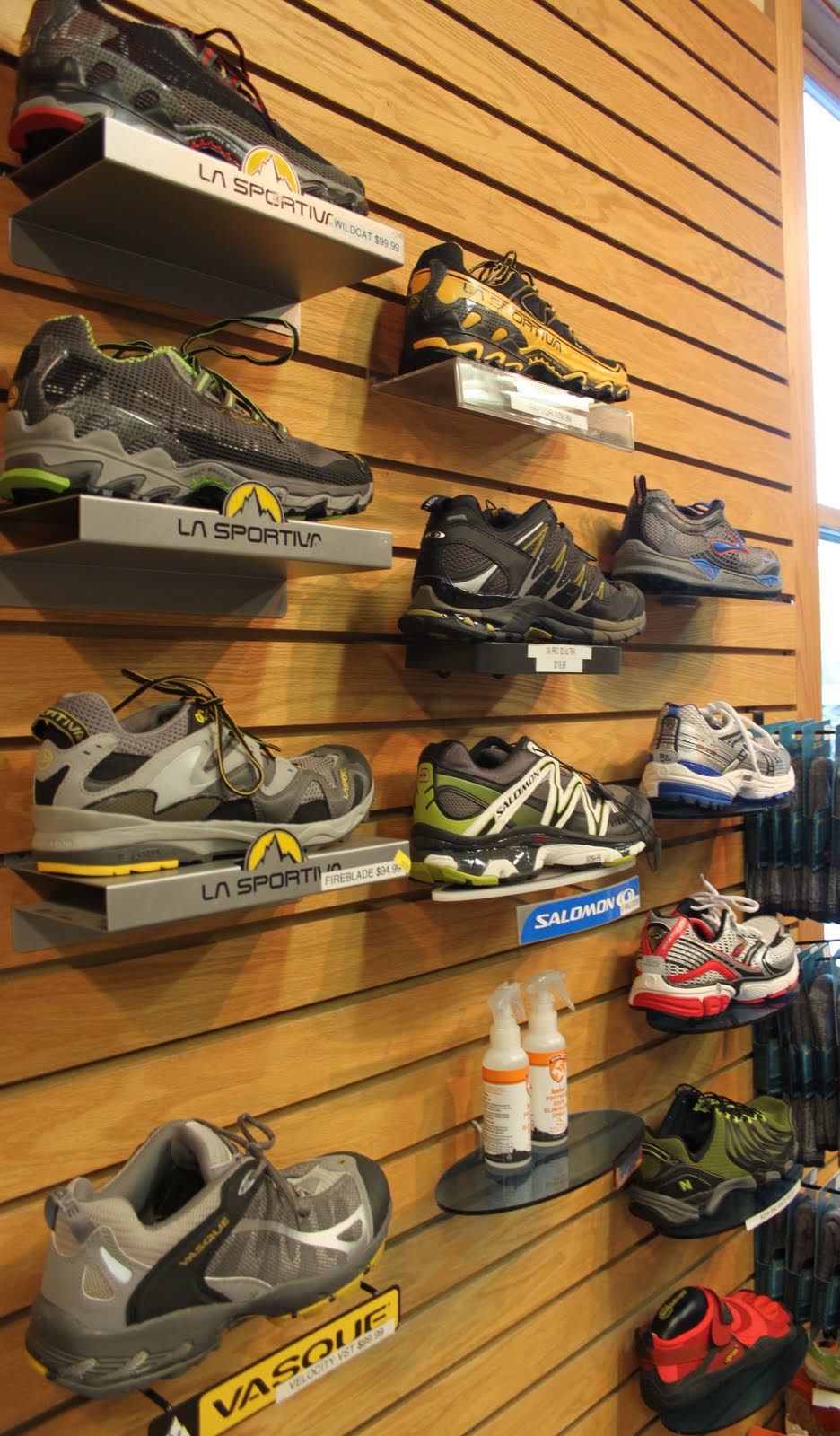
Trail running opportunities in Western North Carolina are endless, and the community of local runners continues to grow by leaps and bounds. To appeal to the growing popularity NOC will carry a wider selection of trail running shoes from Brooks, Salomon and Vasque. Staples like Smartwool and Keen socks will continue to be available, along with new options like handheld hydration bottles for tackling longer miles. Runners can fuel their runs with an all-new employee-approved assortment of gels, chews and Nuun electrolyte replacement tabs.


With over $90,000 of product coming in before March, the store’s makeover will be complete in time for a busy spring filled with backpackers, paddlers and rafting guests. Wright wants to make sure all customers know this is their destination store. “We are a paddling store, but now we’re also a backpacking store, a trail running store, a gear up for bad weather store, and a casual tourist-friendly store.”


And you thought NOC was just a paddling store. Think again.


Store Winter Hours
Sunday – Friday: 11-5
Saturday: 10-6


Glacier Breaker Event Hours
Saturday, February 26: 9-6
Sunday, February 27: 9-5


Spring Hours – Beginning February 28
Monday – Friday: 9-5
Saturday: 9-6
Sunday: 10-5

Tuesday, February 8, 2011

Get Ready to Raft: Guide School at NOC

This blog has moved. You will be redirected to the new blog in 5 seconds. If your browser does not redirect, please click the following URL:

http://www.noc.com/blog/get-ready-to-raft-guide-school-at-noc/

So what if the average high in early March is only in the upper 50s, or if the lows reach into the 20s? When March is here, rafting season is too—at least for the aspiring raft guides and diehard whitewater lovers at NOC’s annual Raft Guide Schools.

The program is a five-day introduction to life as a professional river guide. Guides in training learn to master raft control and how to deal with the weight and momentum of large, eight-person rafts. They also get to learn whitewater features, rescue skills, how to carry rafts, the soft skills and more. Not just for aspiring guides, the program is perfect for "average" river enthusiasts who enjoy guiding their friends down the Nantahala in a rental raft and for rescue professionals looking to increase their rafting skills.


The course takes place on the Nantahala and French Broad Rivers, and the it boasts a fun “we’re all in this together” group mentality that provides built-in support and camaraderie for all participants.


This year’s course offerings begin in February and extend until mid-April. Typically guide schools receive a high percentage of college-age students looking for an exciting summer job, but there are also participants looking for an alternative spring adventure. On-campus lodging and dining are included in the price, so it’s really an easy pre-packaged spring break.


If you’re interested in learning more about this unique week of whitewater, read this discussion I had with eleven-year veteran Will Norris, an NOC Head Guide on the Class V Cheoah River. Will leads a guide school every other week during the spring (trading off with Stephan Hart—one of NOC’s only guides to be “checked out” on all seven rivers).


Will actually led my guide school four seasons ago, so I knew a few good questions to ask.


NOC guide school instructor Will Norris by the banks of the Nantahala at a 2008 guide school.


Charles: Do you prefer students to have previous whitewater experience?


Will: No, as a matter of fact many times we’ve seen students with no experience do better than avid kayakers. Sometimes kayakers have a harder time dealing with all the extra weight and momentum [of a raft], and they’re typically harder on themselves if they can’t get it right away. Sometimes a blank slate is easier to work with.


Charles: For the students seeking employment at NOC, there’s an evaluation of their skills. What are you looking for?


Will: We focus on raft control, but there are five main categories we rate; it’s not all about raft control. If we see the learning progression is happening, and that you’re working well with others—like you’ve got a great personality and that you’d be good at working with guests—well, that plays a huge part in it.


Charles: What parts of the course are the most challenging for students?


Will: One of the more challenging elements is the aggressive swim, when we’re actually getting out in the river. It’s physically demanding for many students, and it’s always cold.


Charles: That’s on the Nantahala from above the rentals take out to the pedestrian bridge, right?


Will: Right. I almost always try to do this at the end of the first day, so that students have experience with swimming if they come out of the raft the rest of the week. Here we talk about the different safety aspects of entering the water—body angle, moving through current, crossing current—we tie it in with positioning your body like a watercraft.


Charles: What else is challenging?


Will: For many folks it’s just dealing with all that weight and momentum in the boat. The flip drill is also anxiously anticipated. [This requires the guides to flip the raft to practice flipping the raft back over in moving water.] I almost always do this drill at the pool below Frank Bell’s rapid on the French Broad.


Charles: Frank Bell’s can be a class IV rapid at some water levels—is this the biggest rapid of the week?


Will: Yeah, Frank Bell’s is the biggest rapid we’ll do. Pillow, the Ledges and Kayaker’s Ledge are all in play on the French Broad, so every student in a training raft will get to guide at least one class III rapid on the FB. That’s in addition to the Fantasy Island drill on the Nantahala, where the teams do laps on Nantahala Falls. During that drill, the students carry the rafts back up each time so that each guide gets three runs on the rapid.


Charles: So the guides have to carry the rafts back up the river over ten times. I don't remember that being a major challenge.


Will: Usually students don’t know what to expect going into the drill, but they figure out an efficient system for transporting the rafts and they enjoy it. Usually several groups keep going past the three-run requirement.


Charles: What about weather? It’s still cold outside in March.


Will: Weather can be a large mental factor, usually much more than a physical factor. We let the students know what to bring and we provide necessary gear. Some of the folks you'd expect to be cold and weaker in those conditions surprise you and thrive, while the bigger and stronger participants don’t always handle them as well. We tell the students, if you can make it through this you’ll be even more comfortable in July in your Chacos, river shorts and sunglasses.


Charles: It’s good for the guides to feel the impact of weather on the rafting experience I suppose.


Will: Yes, that’s the upside of making the guides swim in cold water and in cold weather. You can feel what a guest would feel if he or she were to fall out, and it teaches you to be ready with the equipment and gear to respond.


Charles: How physical is guide school?


Will: In five days you do a physical activity every day. You don’t need to be an athlete to do it, but this course shows you what you’ll be putting your body through every day as a guide. Everything is hands on—from rope tying, to loading rafts, to rescue practice.


Charles: Do you stick to a tight schedule?


Will: We have a syllabus and a skills-progression order, but we’re flexible enough to use moments of opportunity. Pinning a raft may present the perfect opportunity to practice unpinning a raft. The first two days are the most critical learning days. By day three folks are getting dialed in, and there’s less emphasis on teaching the control skills. By then we’re fine tuning and working on other necessary skills.


Charles: Anything else you'd like to mention?


Will: We incorporate fun and keep things as light as possible. For a lot of folks it's their spring break, and we don't want them to feel like it's another day in class or at work.


For more photos from previous guide schools see the photo gallery on the guide school page at noc.com.


I’ll leave you with a photo from my guide school in 2007. For the record, I believe we all had a blast, and I think the only time I felt cold was actually on the lake learning the basics. The rest of the time I was pretty focused on the activity.


Except for the swim drill; no doubt, that was cold.